

MONUMENTAL EXPRESSIONS
SUBLIME ARCHITECTURE AND THE POWER OF THE CHURCH
The cities of the Historic Highlights of Germany present a vivid record of how religion evolved in Germany – indeed, throughout much of Europe – during the past two millennia. In the 4th century, the city of Trier numbered between 60,000 and 80,000 inhabitants, saw six Roman emperors reign from here and, under Constantine the Great (306-316), became an early center for the spread of Christianity north of the Alps.
Numerous churches and the “Dom” (Cathedral) mark Augsburg as the seat of a bishopric. It was here that, in 1518, Martin Luther and Cardinal Cajetan engaged in their famous debate. It is the fertile interplay of religious and secular power that gave Augsburg its inimitable flair.
The “Augustinerkloster” (Augustinian Monastery) dating back to 1277, is a Gothic monastery complex in Erfurt. Inside there is an exhibition that shows life and work of Martin Luther who lived here as a monk from 1505 till 1511.
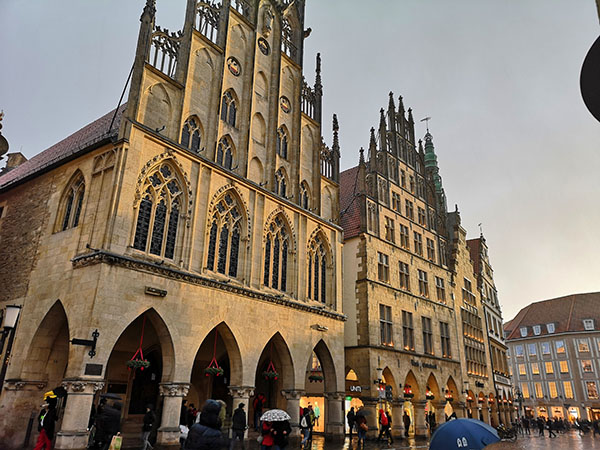
The Frisian monk Liudger, dispatched on mission by order of the Emperor Charlemagne (Charles the Great), founded a monasterium (cloister) to which Münster today thanks its name.
Following the violent introduction of the Reformation, the Anabaptist war raged here. In 1628 the last Protestants were expelled from Münster.
CHRISTIANITY AS A LEGAL RELIGION
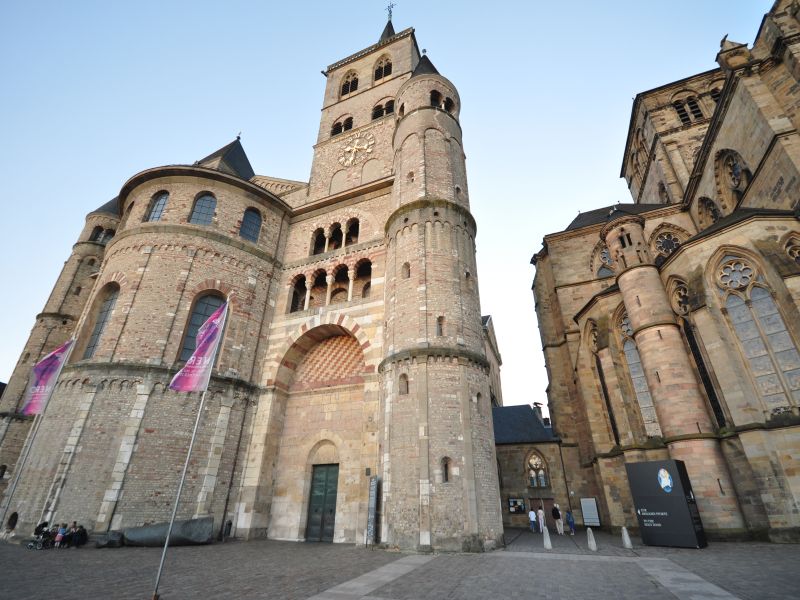
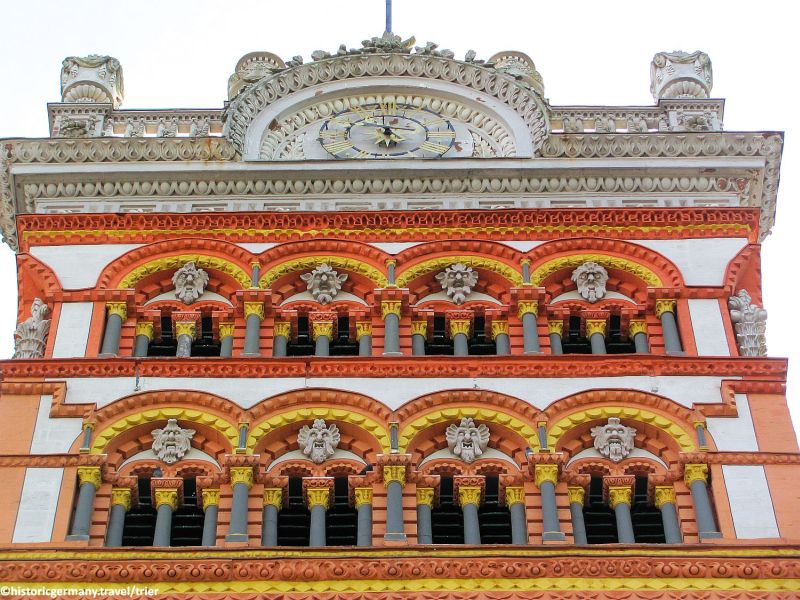
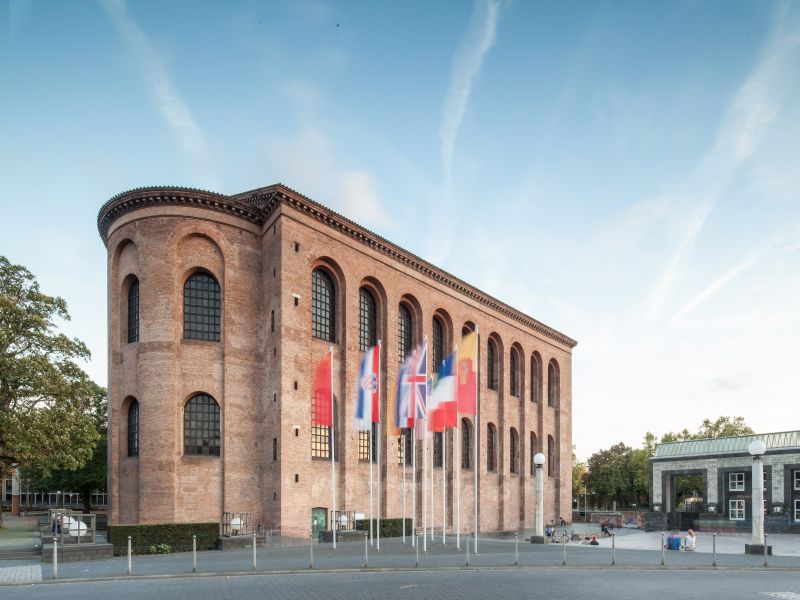
In A.D. 313, Roman Emperor Constantine the Great recognized Christianity as a legal religion in the Roman Empire. The imperial city of Trier quickly became an early center for the spread of Christianity north of the Alps. Within 20 years, a Roman palace was leveled and replaced by the largest Christian church in Antiquity on the site of the present “Dom” (Cathedral).
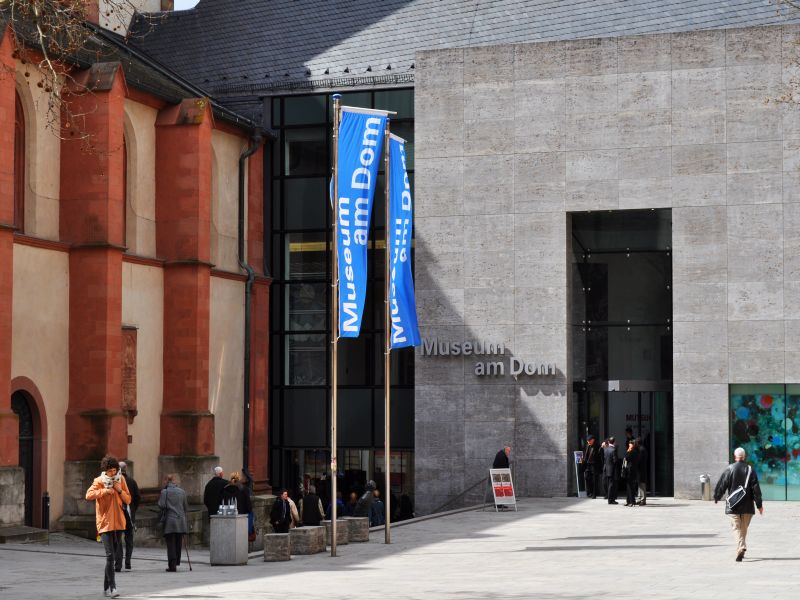
A ceiling painting from the first quarter of the fourth century, found 3 m (10ft) under the crossing of the “Dom”, probably belonged to Constantine’s palace and was put together from more than 60,000 pieces over a period of almost 40 years. The ceiling painting may be found at the “Museum am Dom” (Cathedral Museum).
Over the next two centuries, many Germanic tribes fell to the Franks, who took over politically after 485 A.D. In 496, Clovis, King of the Franks, was converted and became the defender of Christianity in the West. The Franks became a Catholic people.
MISSIONARIES SPREAD CHRISTIANITY
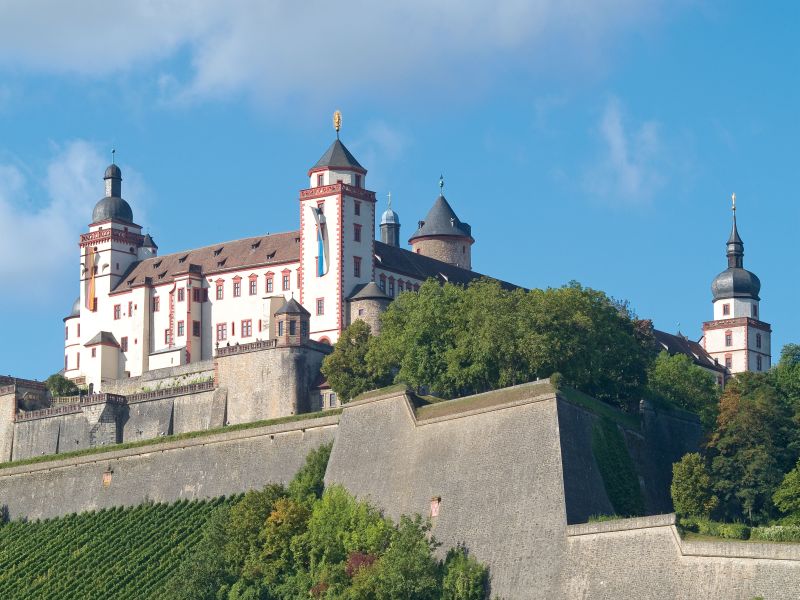
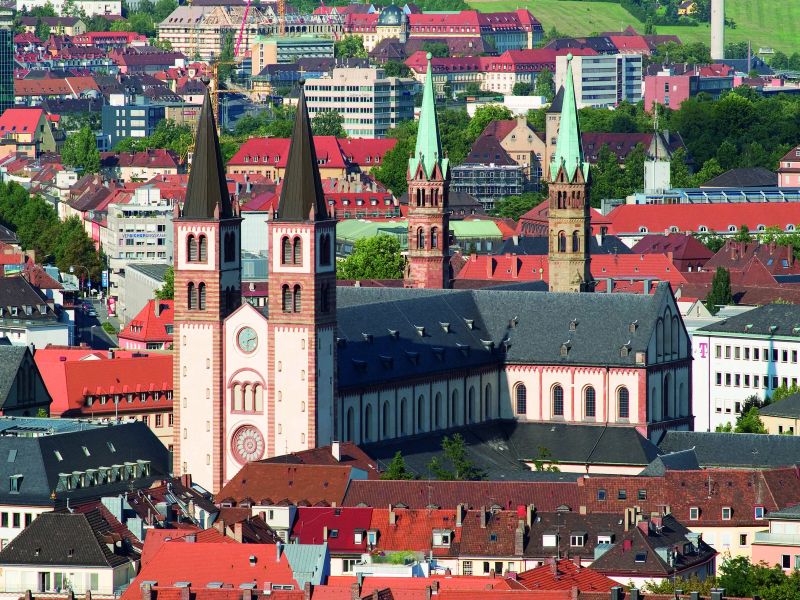
Würzburg’s prominence was set in motion in 686 when three Irish missionaries came to the town to convert its people. After the three were murdered and later canonized as saints, the pilgrims started pouring in.
In 742 AD St. Boniface founded the bishopric of Würzburg and named St. Burkard the first bishop. Today’s “Festung Marienberg” (Marienberg Fortress) was built on the original stronghold.
CHRISTIANITY SPURS GROWTH
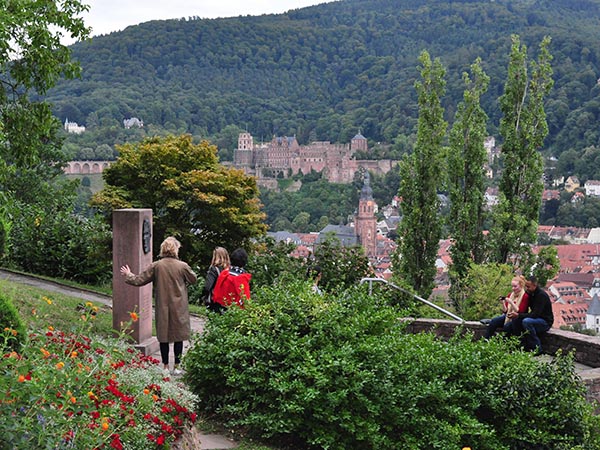
In 863 in Heidelberg, the “Michaelskloster” (St. Michael’s Monastery) was founded overlooking the city on the Heiligenberg mountain inside an ancient Celtic rampart. At the same time, the bishopric of Worms extended its influence into the valley.
Church towers stretched ever farther toward the sky in hopes to bring a closer connection to God. At the same time, bishops and other church officials took on increasingly political roles, and their palaces and castles prove the wealth that ensued. The Michaelskloster, today surviving only in ruins, is located at the top of the Heiligenberg, and can be reached by the “Philosophenweg” (Philosopher’s Walk).
HUMANISM PLANTS SEEDS OF REFORMATION
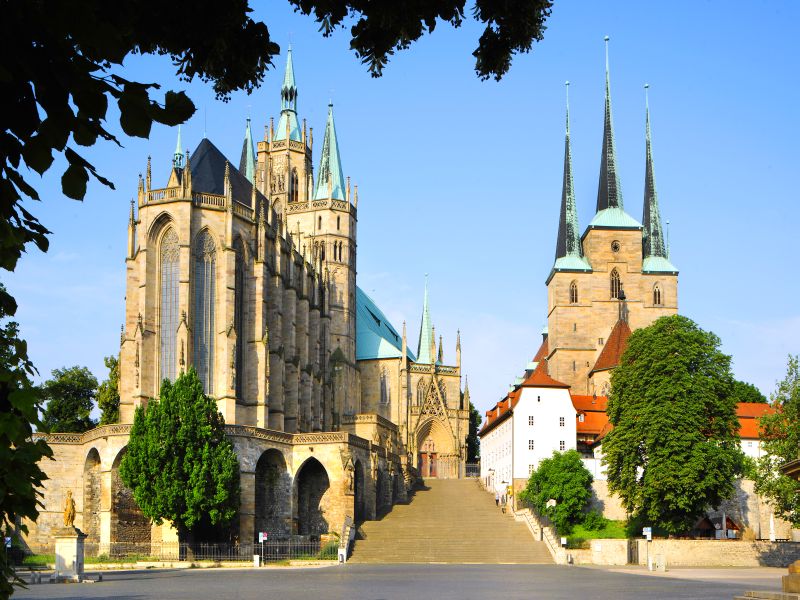
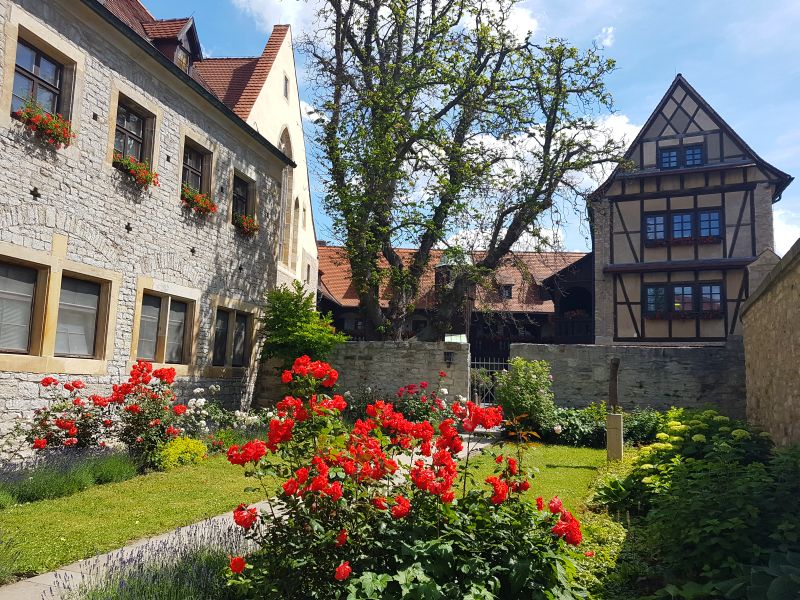
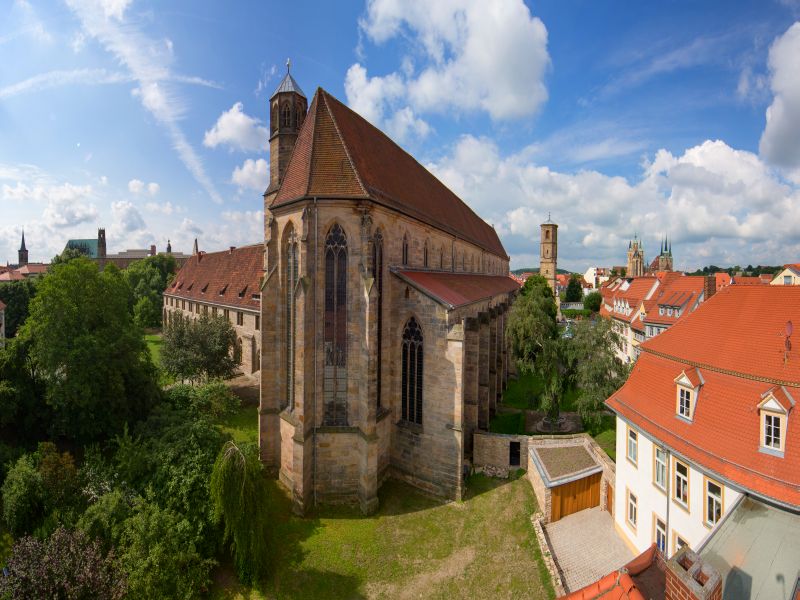
In the 14th century, the Renaissance, a humanistic movement, spread to Germany, and many came to question the absolute power of the Catholic Church. It was in 1505 that Martin Luther entered the Augustinian Monastery in Erfurt and soon took his monk’s vow.
While studying Theology at the University of Erfurt, he was exposed to the ideas of the Humanists. Martin Luther lived in the “Augustinerkloster” (Augustinian Monastery) as a monk from 1505 to 1511. Today, the monastery complex houses an important library with rare books and a permanent exhibition about the life of Luther.
THE REFORMATIONS BEGINS
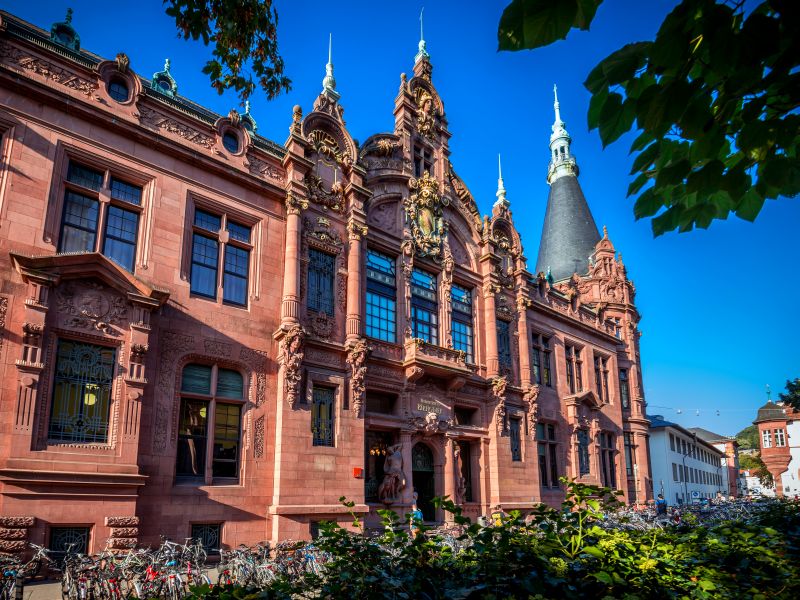
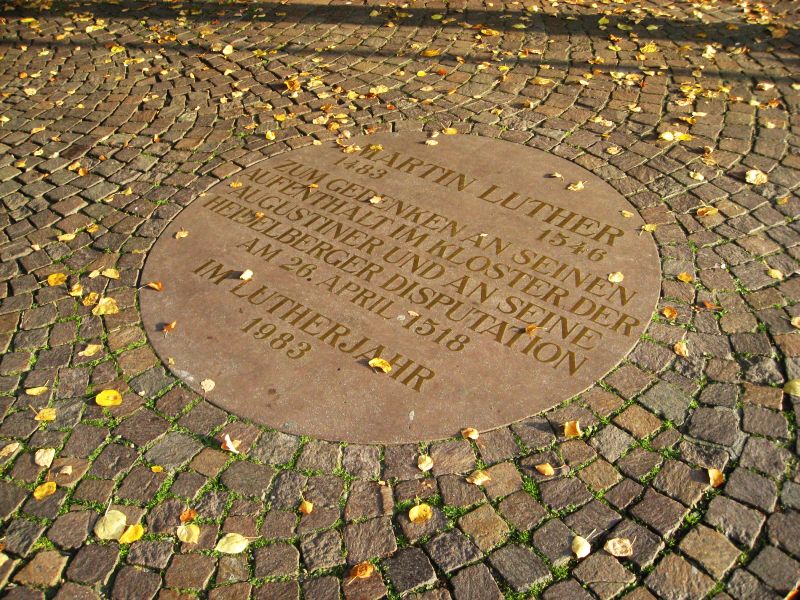
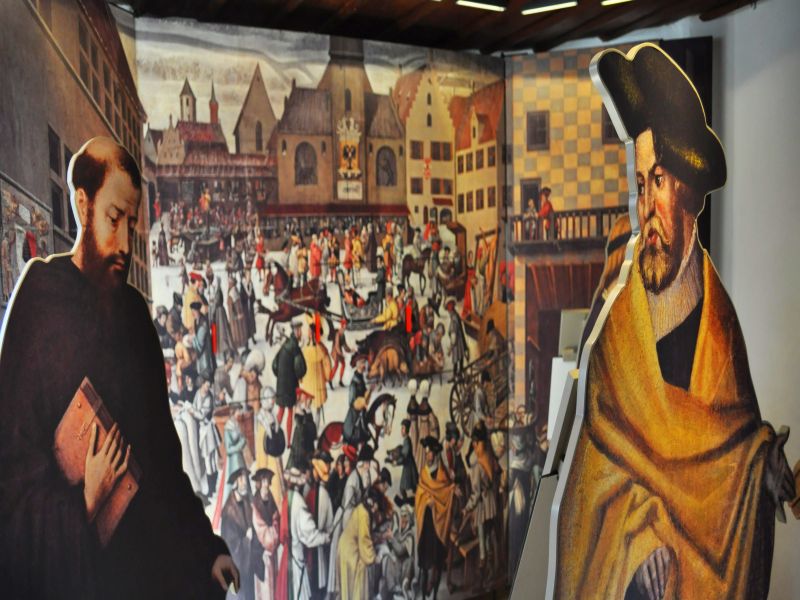
In 1517, Luther signaled the beginning of the Reformation by posting 95 theses at Wittenberg. A few months later, Luther was received warmly at Heidelberg University, Germany’s oldest institution of higher learning, where he defended the theses.
Numerous churches and the “Dom” (Cathedral) mark Augsburg as the seat of a bishopric. It was here that, in 1518, Martin Luther and Cardinal Cajetan engaged in their famous debate.
MANY CITIES REJECTED THE REFORMATION
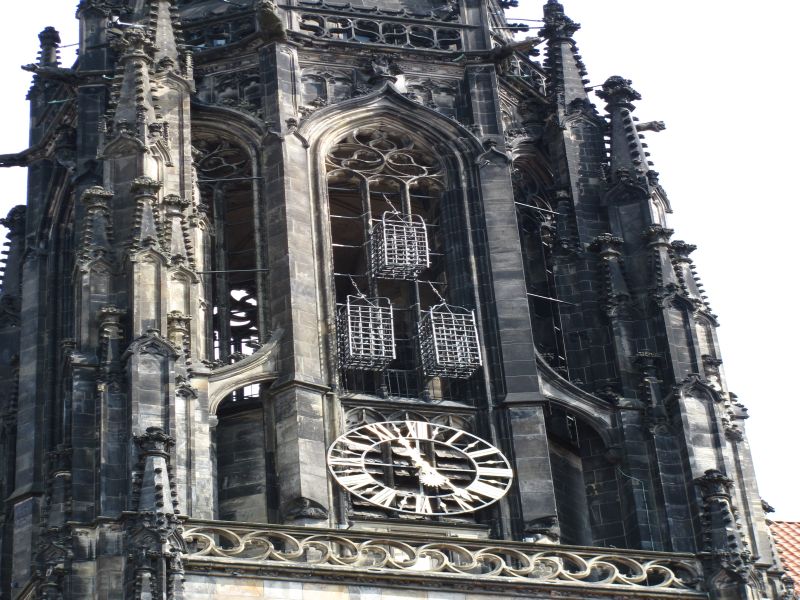
In some tow, the Reformation met with violent responses. In 1532, following its introduction in Münster, the Anabaptist war raged in.
Three iron cages still hang from the steeple of the “St. Lambertikirche” (St. Lamprecht’s Church), where executed Anabaptists were exhibited as a warning to the populace. In 1628 the last Protestants were expelled from Münster.
RELIGIOUS TERRITORIALISM
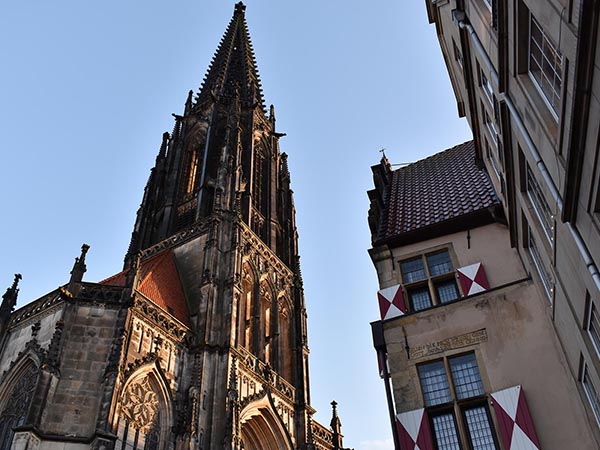
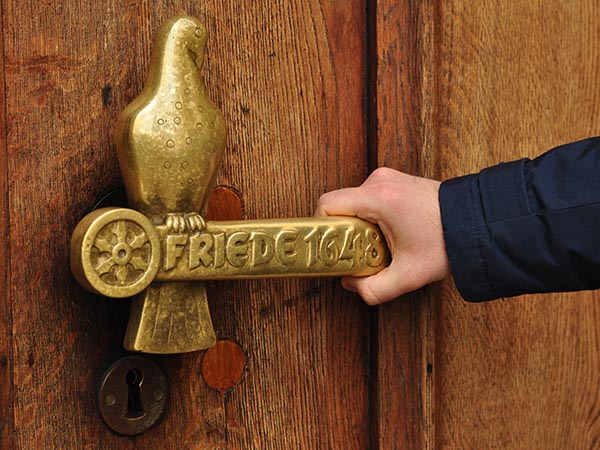
In 1530, the Augsburg Confession of Lutheran faith was issued, followed in 1555 by the Peace of Augsburg. This established an arrangement of religious territorialism rather than toleration. It recognized the existence of Catholicism and Lutheranism in the German Empire and provided that citizens should adopt the religion of their respective rulers.
It was in Münster and Osnabrück also that the Peace of Westphalia was negotiated and signed, in 1648, ending the Thirty Years’ War. The two locations were required because Protestant and Catholic leaders refused to meet each other. Sweden had favored Osnabrück due to its Protestant background, while France chose Münster due to its Catholic background. Among its terms, the treaty gave equality to Catholics and Protestants in the 300 states of the Holy Roman Empire.
JEWISH EXPULSION AND HOLOCAUST
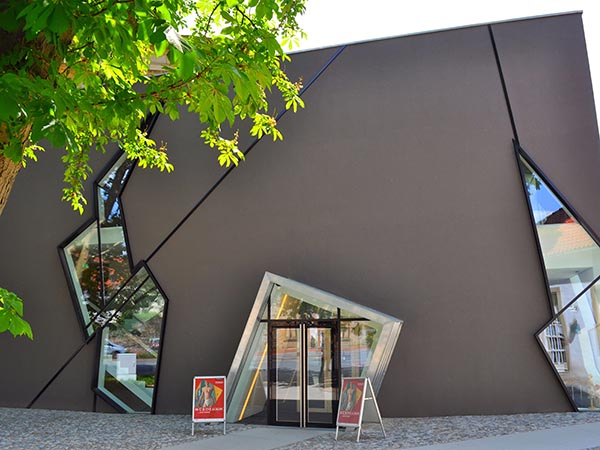
In Osnabrück, the “Felix Nussbaum Haus” (Felix Nussbaum House) is named after the artist Felix Nussbaum, who was born in Osnabrück in 1904 and murdered in Auschwitz in 1944.
Like no other painter, his impressive works record the stations of his life, from the “happy childhood” in a Jewish merchant family, via initial artistic success in Berlin, to the despair of a persecuted Jew living in Belgian exile.
The creative tension between the museum´s architecture and painting admonishes us not to forget the fate of Europe’s Jews during the Holocaust.
© Image Rights: Cathedral/Aula Palatina – ttm, Cathedral and Fortress Marienberg Würzburg – CTW/Andreas Bestle, Augustinian Monastery Erfurt – ETMG, University Library Heidelberg – Heidelberg Marketing/Schwerdt